Ever since the dependence on AI became commonplace, people have come to chatbots for their moral and academic complications. The death of critical thinking skills has plagued this new age of technology users, and its long-term effects may be worse than anyone anticipated. After all, is asking a chatbot if you were in the wrong really going to affect your brain’s health that much?
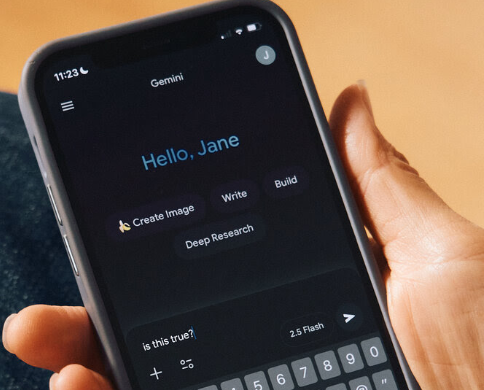
Chatbots have been trained and shown to agree with the given user, providing a pre-biased opinion that isn’t born of true human ethics, but the need of good user reviews. Asking these chatbots will result in you being reassured and whoever you may have hurt feeling invalidated. Studies show that 49% of AI chatbots affirm your actions even when you were clearly in the wrong. When ruminating over a moral issue, it’s better to ask a trusted peer or the person you think you may have negatively affected. It’s easy to want a quick, easy answer and correctness, but you don’t learn anything from your mistake using a biased AI model.
Learning is also affected by AI chatbots. Students can type a prompt into a generator, such as ChatGPT, and get a whole essay out of it. AI checkers are often inaccurate too, marking students’ actual essays that they put hard work into as nothing more than computer slop. You can even send images of your homework to AI and you’ll get a step-by-step answer, offering an opportunity to copy potentially-wrong work. The consequences of this academic dishonesty is a low skill level in core subjects like math and language arts, and increased unemployment.
While quick, short-time reassurance is brought about a person’s mind by being reliant on AI for critical thinking, its long term effects deteriorate the brain in many ways. If you’re ever confused about anything, go to a human, especially a teacher. It is much better to ask for help, admit your faults, and connect with real people to learn and grow instead of a prejudiced chatbot.
Cites –
https://nam.edu/news-and-insights/ai-chatbots-for-mental-health-what-works-what-harms-and-whats-next/
https://fortune.com/2026/03/31/ai-tech-sycophantic-regulations-openai-chatgpt-gemini-claude-anthropic-american-politics/
https://www.nytimes.com/2026/03/27/briefing/your-suck-up-chatbot.html