On Tuesday, April 11, 2026, Trump announced a two-week ceasefire for the war in Iran, which has been raging for about a month. Leading up to the ceasefire, Trump had made several threats to destroy all civilization in Iran and blow it up. He announced that he would end all attacks on the country by both the US and Israel under the condition that Iran opened the Strait of Hormuz, a narrow corridor of water that is crucial for the transportation of oil to some of the world’s biggest oil manufacturers.
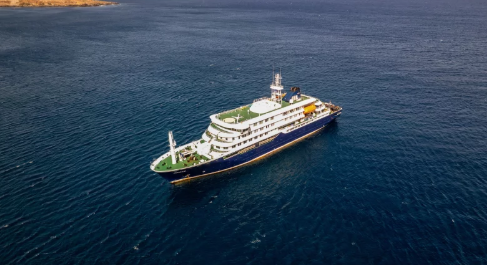
The Strait of Hormuz is a narrow channel of water that connects The Gulf to the Arabian Sea. It is only 31 miles wide at its narrowest point, but it has enough depth for the biggest crude oil and natural gas tankers in the world to pass through. 20% of the world’s oil goes through the Strait of Hormuz before being manufactured to the world, meaning that its closure wreaked havoc on the world’s fuel industry. This closure is why many countries, including the US, saw gas prices skyrocket during the time of the war.
Instead of using a naval blockade or underwater mines to barricade the Strait, Iran effectively used a cheaper strategy to prevent large numbers of ships from going through. It did several drone strikes in the area, which was enough to prevent companies from sending ships across the Strait as it was unsafe.
On Tuesday, Trump offered to provide ships US naval escorts to go across the Strait of Hormuz, and he provided insurance to the ships through the DFC, or Development Finance Corporation. However, the insurance that the US government is able to provide has many limitations, and companies are still very hesitant to send their ships across the Strait. William Henagan, who works at the Council of Foreign Relations, says “Even if you were to offer a subsidized price, it’s a war zone. Certain boats are going to sink, and DFC is going to have to pay out the insurance.”
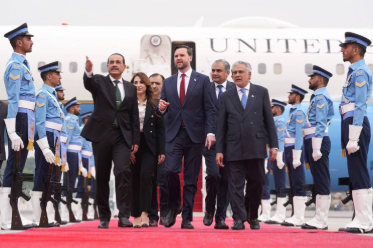
Upon noticing that there is still very little traffic moving through the Strait of Hormuz, Trump has made public statements that Iran is doing a “very poor job” of reopening the Strait, and that what is going on right now is not meeting the conditions of the “agreement we have.” The US Vice President, JD Vance, has been sent to attend peace talks with Iran and Israel in Pakistan as of Saturday morning. Pakistan plays an important role in mediating the conflict between the US, Israel, and Iran, by convincing and organizing negotiations between the warring countries.
Following the 14 day ceasefire, violence may continue in the Middle East. There may be a situation similar to what happened in Gaza followed by the war with Israel, with subdued fighting and conflict but not an official end to war. The next steps in the war rely on the crucial peace talks in Pakistan over the following weeks.
Cites –
https://www.strausscenter.org/strait-of-hormuz-geography/
https://www.foxnews.com/politics/vance-en-route-pakistan-high-stakes-iran-talks-fragile-ceasefire-teeters
https://www.nbcnews.com/world/iran/live-blog/live-updates-trump-iran-hormuz-israel-lebanon-ceasefire-talks-rcna273610
https://www.npr.org/2026/03/04/nx-s1-5736104/iran-war-oil-trump-israel-strait-hormuz-closed-energy-crisis
https://www.bbc.com/news/articles/cge0xre3d27o
https://www.japantimes.co.jp/news/2026/04/11/world/politics/iran-us-peace-talks/